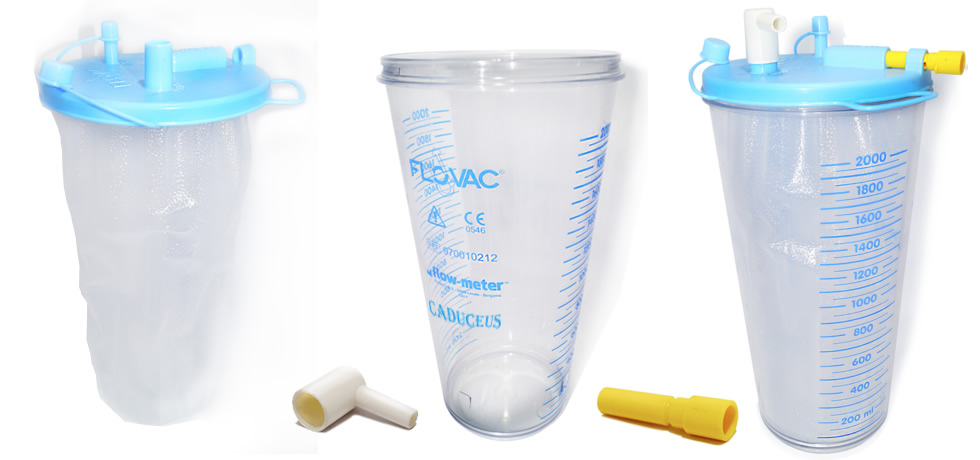
Every year, around 15 million people worldwide suffer a stroke, about 80% of which are ischemic strokes. When the main blood vessel is blocked by a clot, a vegetative state or death occurs in about 60% of cases. A few years ago, the only treatment for ischemic stroke was thrombolysis - the introduction of special drugs that quickly dissolve blood clots. Now medicine has in its arsenal a powerful new weapon. Thrombectomy ia an extracting of blood clots and plaques from the carotid arteries into the aspiration tank. This procedure is carried out in Russia only in large medical centers with neurosurgical and radiosurgical departments so far .
Thrombolysis tends to work only for small clots. Thrombectomy is more effective in treating large ones. In addition, only with thrombectomy doctors can recognize the structure of a blood clot: it is an atherosclerotic plaque or a blood clot.
The use of the technique for neurologists and neurosurgeons was described by a British doctor who used an aspiration system to clean intracranial arteries and venous sinuses. The technology used by her with an aspiration tank allows to change the pressure and suction intervals in vacuum in a safe suction range up to -98.2 kPa. It is the complete absorption of the clot with cyclic aspiration (that is, a change in suction pressure) that increases recanalization in the first pass and reduces clot fragmentation. As a result, a whole clot gets into the aspiration capacity.

The technique was mastered in the largest neurosurgical centers in the world. In Russia, flow-meter ™ suction containers and FLOVAC® disposable biological fluid collection containers supplied by WestMedGroup healthcare institutions are used not only for thrombectomy. They are quite versatile and are used to remove tissue, fluid, and blood clots during neurosurgical, neuroendoscopic, and other surgical procedures, including tissue, fluid, tumor, and abscess aspiration. The main indication for the system for thrombectomy is, of course, a hemorrhagic stroke, but it is also followed by common disabling pathologies of pulmonary embolism, deep vein thrombosis of the extremities and hemodiolysis graft thrombosis.
The radiosurgeon, who worked at the University of Saarland Hospital in Germany, spoke about her first experience with thrombectomy in 2006. They received a 42-year-old soldier with right-sided hemiplegia - paralysis of the right side of the body. A professional marathon runner lost consciousness at home amid complete health. At a critical “golden hour“ the drug was administered, but it did not help.
At that time, the device for thrombectomy was only in clinical trials, it was not approved by CE, but the doctors took a chance. A small incision was made near the groin of the patient, and a catheter was inserted along the aorta into the carotid artery. Then, a suction was introduced into the main catheter (a “vacuum cleaner”, as the staff themselves call the device), and brought to a clot in the middle cerebral artery through a conductor. Only after that the aspirator was turned on and in a few seconds the clot was drawn into the aspiration capacity along with a small amount of blood. Surgeons controlled all their actions with real-time angiography with contrast enhancement, which made it possible to visualize blood flow in veins, arteries or capillaries. On the screen the blood went to ischemic areas. The patient’s recovery was very fast: the doctors performed the procedure on Tuesday. On Thursday the patient was discharged at his own will and against the will of the doctors. On Saturday he ran the marathon.
In pediatrics, a vacuum aspirator with an aspiration capacity can also be used, it is quite delicate.
Of course, thrombectomy is not suitable for all types of stroke. Basically, it benefits patients with a large clot in one of the main feeding arteries of the brain, and this is up to 20% of all patients. The procedure helps to half the people treated,
Each minute of delay after the ischemia leads to the death of 2 million brain cells. Although the human brain has about 100 billion brain cells, the loss of hundreds of millions in the functional area can be devastating. However, in an effort to allow the recovery of as many stroke patients as possible, the National Institutes of Health and Health (NICE) extended thrombectomy from 12 hours to 24 hours.
The effectiveness of this method is not in doubt and has no analogues to any previous therapy in stroke medicine. The quick access to thrombectomy will tell the difference between death or disability and normal life for many patients.