In the past, surgical operations were performed without anesthesia. Doctors had to work as quickly as possible while patients experienced severe pain and faced a risk of fatal complications.
Today, the situation has changed: modern anesthesiology makes it possible to fully control pain sensations, the depth of anesthesia and vital signs during surgery. The main methods remain inhalation and intravenous anesthesia, but their development took place gradually over several centuries.

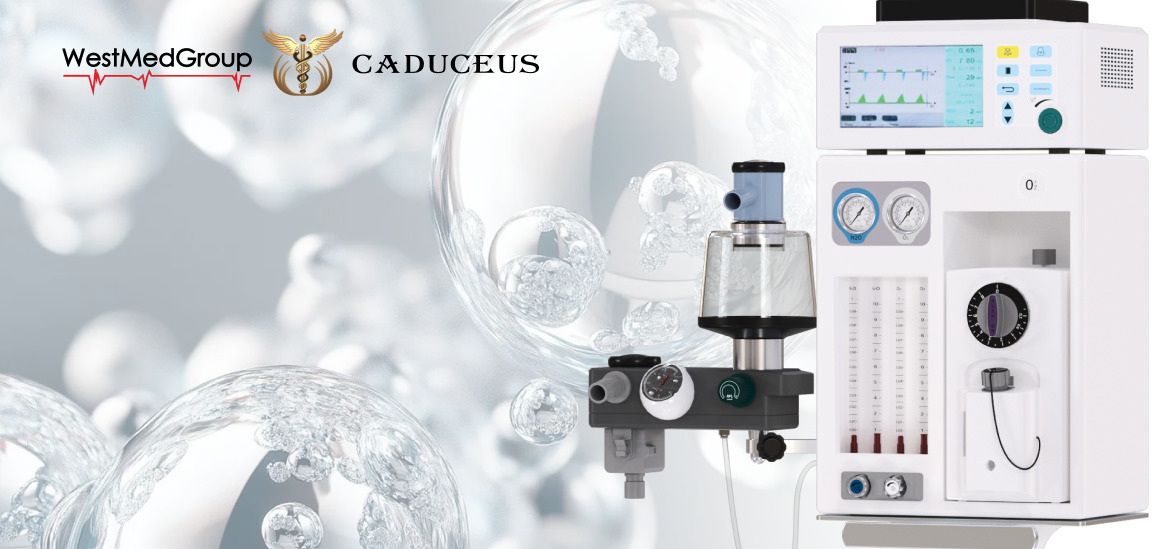
With inhalation anesthesia, the patient receives an anesthetic through a mask or an endotracheal tube. The anesthesiologist controls the depth of anesthesia by regulating the gas concentration. Modern anesthetic systems make it possible to support lung ventilation, which is especially important during long operations. The patient usually wakes up within 5-15 minutes after the anesthetic supply is stopped.
Intravenous anesthesia, or TIVA, involves administering drugs through a vein with precise control of dosage and infusion rate. It is suitable for short procedures, although during prolonged use the drugs may accumulate in fatty tissue. This can slightly increase the wake-up time from 5 to 20 minutes.
TIVA is preferable for operations on the gastrointestinal tract or for patients with a high tendency toward postoperative nausea. Intravenous anesthesia requires caution in cases of heart failure, unstable hemodynamics or drug allergies.

Moreover, combined anesthesia is used in modern practice. Initial intravenous induction followed by maintenance with an inhalation agent helps reduce the dose of each drug, flexibly control the depth of anesthesia and speed up patient awakening.
Thus, the choice of anesthesia is determined by the clinical situation and contraindications. Both methods are effective and allow surgical interventions to be performed safely. Continuous monitoring of vital functions and anesthesia depth ensures control over the patient condition and minimizes risks.